
The Nature of Human Progress
The HumansThis thread examines the narrator’s changing assessment of whether humanity’s scientific capability can outpace its ability to use power wisely.
increasing Bearing strength in each event
 decreasing
Bearing strength in each eventdecreasingProgress as a Warning

A Dangerous Gap
The hosts’ concern
The hosts believe human mathematical progress could outrun psychological maturity. The operative is sent to prevent a breakthrough from accelerating that imbalance.
A presumption of authority
The mission treats outside intervention as necessary protection, though it offers no clear measure for when restraint becomes domination.
The Proof’s Promises
Mathematics and Possibility
A transformed future
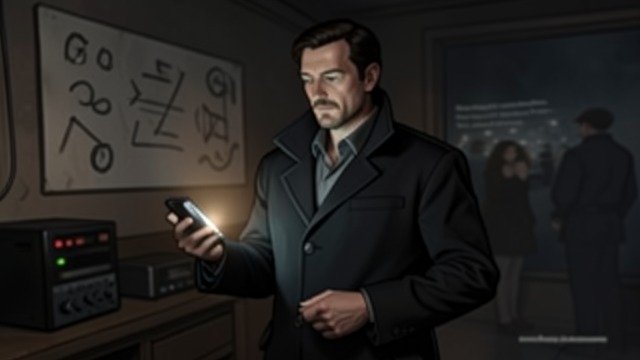
The narrator learns that proving the Riemann hypothesis could enable advances in computing, physics, medicine, and travel. The proof represents more than an academic prize.
A moral dilemma
Destroying it may prevent harm, but it also blocks possibilities that could benefit humanity. The problem cannot be reduced to a simple opposition between knowledge and safety.
Humanity’s Contradictions
The Case Against Confidence
A troubling record
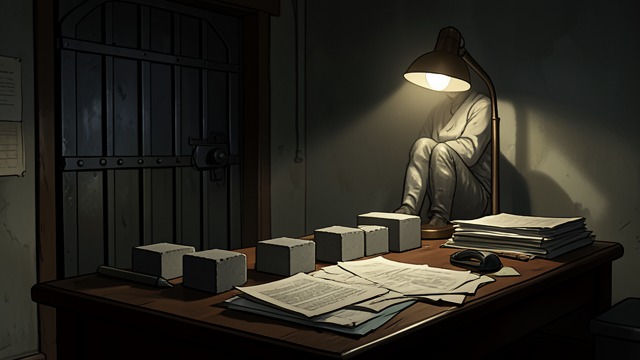
The narrator sees war, greed, environmental harm, and indifference on human news. He concludes that human power is dangerous and badly managed.
Evidence of care
At the same time, he witnesses loyalty, generosity, and concern in families and friendships. Human progress emerges as morally mixed rather than uniformly destructive.
A Different Kind of Restraint
Limiting His Own Power
Personal responsibility
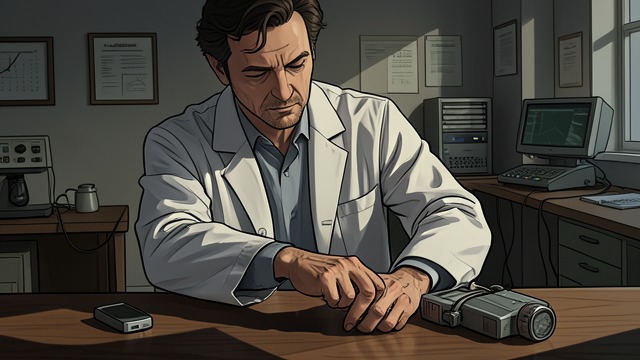
The narrator does not merely ask humans to restrain technological progress; he gives up abilities that made him powerful over them. His choice places a limit on his own capacity to control.
A changed standard
Maturity becomes the willingness to accept vulnerability and consequences, not simply the possession of advanced tools or superior knowledge.
Progress Without Domination
A Cautious Future
Teaching carefully
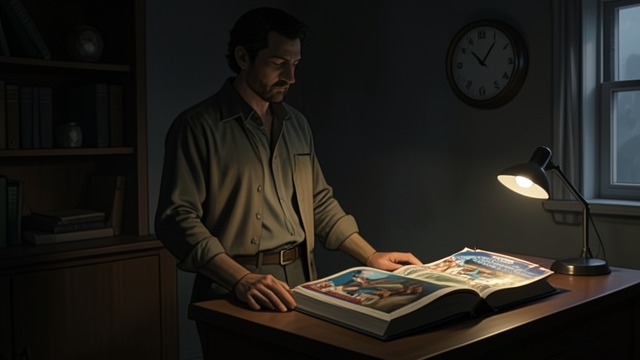
The narrator discourages claims that the Riemann hypothesis can be proved and avoids work that might accelerate technology toward contact with the hosts.
Unresolved balance
He still believes humanity may mature, but refuses to assume that capability alone guarantees wisdom. The novel leaves progress as a responsibility rather than an automatic good.
Before the mission begins
During the narrator’s first reading of Zeta
During the narrator’s first week of observation
After the narrator gives up his gifts
During the narrator’s later life at Stanford University
